Painting Technique: Wet Blending
Mastering Your Miniature Painting With Moist
Wet blending is one of the most celebrated techniques in miniature painting. It’s the secret to creating those buttery-smooth color transitions on power swords, cloaks, and large monster skin.
But it can be intimidating. Acrylic paint dries fast, and the idea of racing against the clock to blend colors directly on the model sounds stressful.
It doesn’t have to be.
Forget the history lessons. We’re going to break down exactly why you should wet blend, the secret tool that makes it easy, and the step-by-step recipe to get perfect results.
Why Wet Blend?
There are many ways to blend colors. Glazing takes time (dozens of thin layers). Layering takes patience. Wet Blending takes speed.
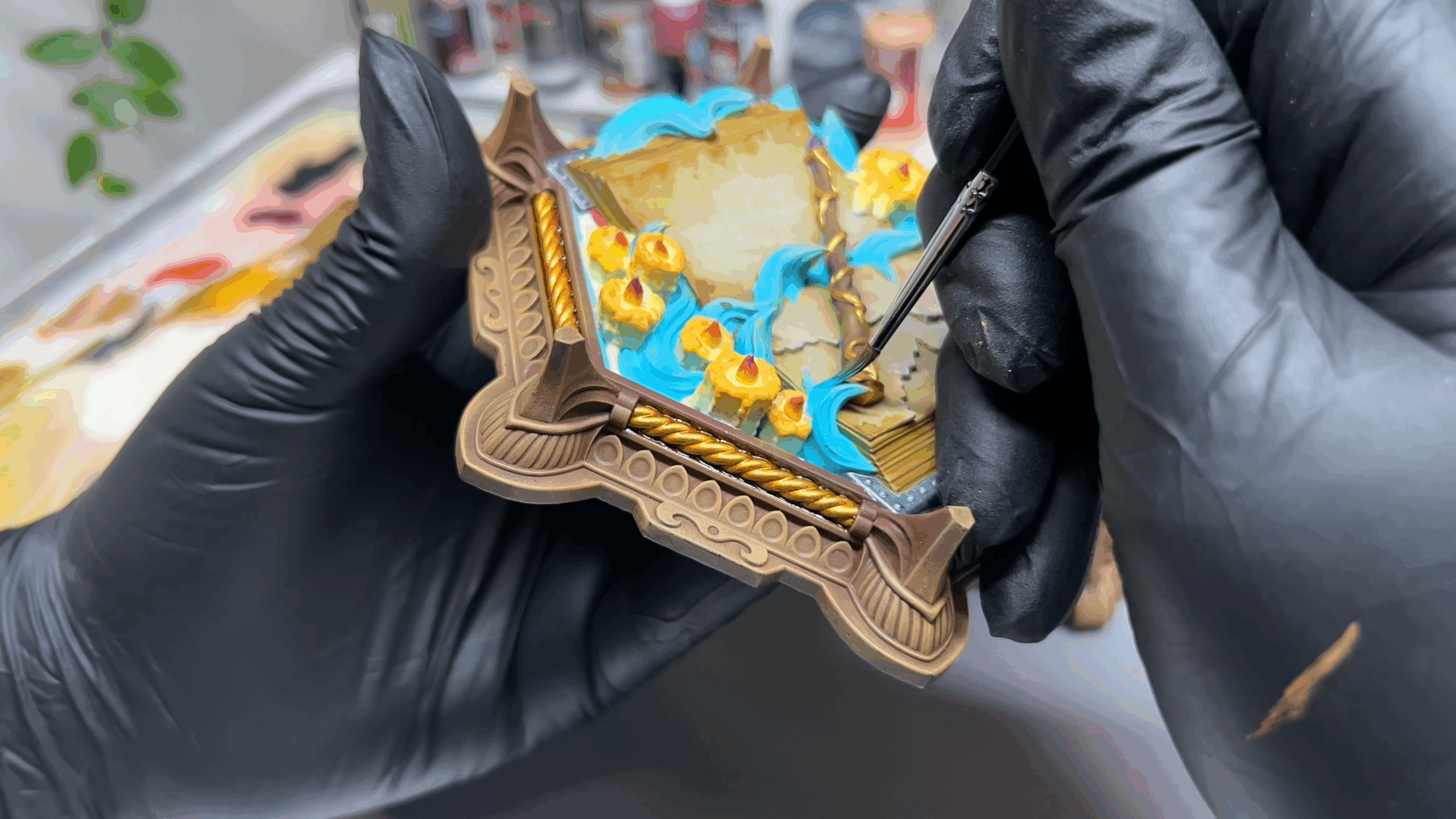
The technique is simple: you mix two different colors directly on the miniature while the paint is still wet.
The Pro: It creates seamless gradients in one coat that would take 20 coats with glazing. It is incredibly fast.
The Con: You are fighting the clock against the paint drying.
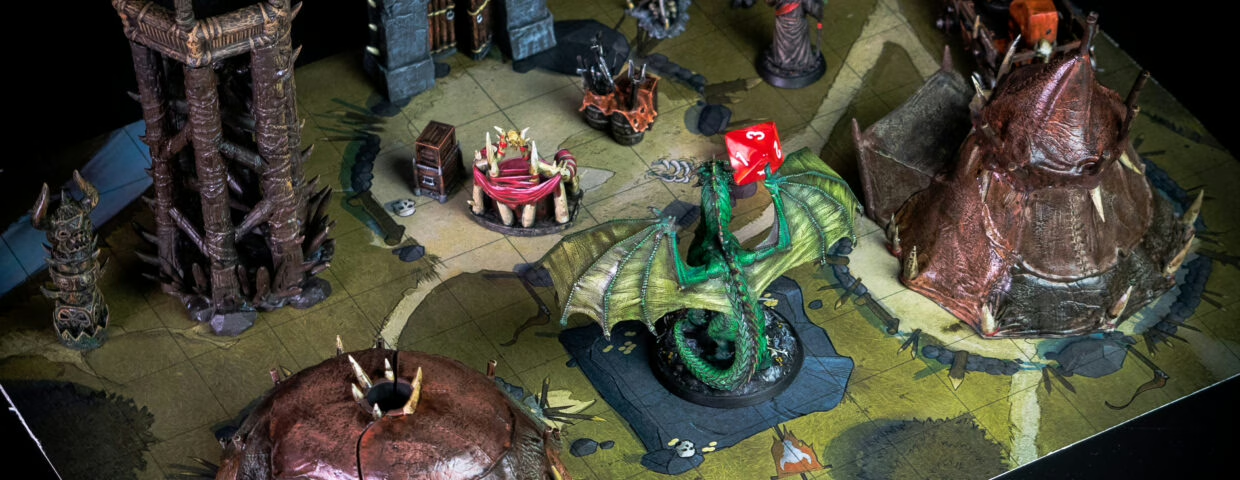
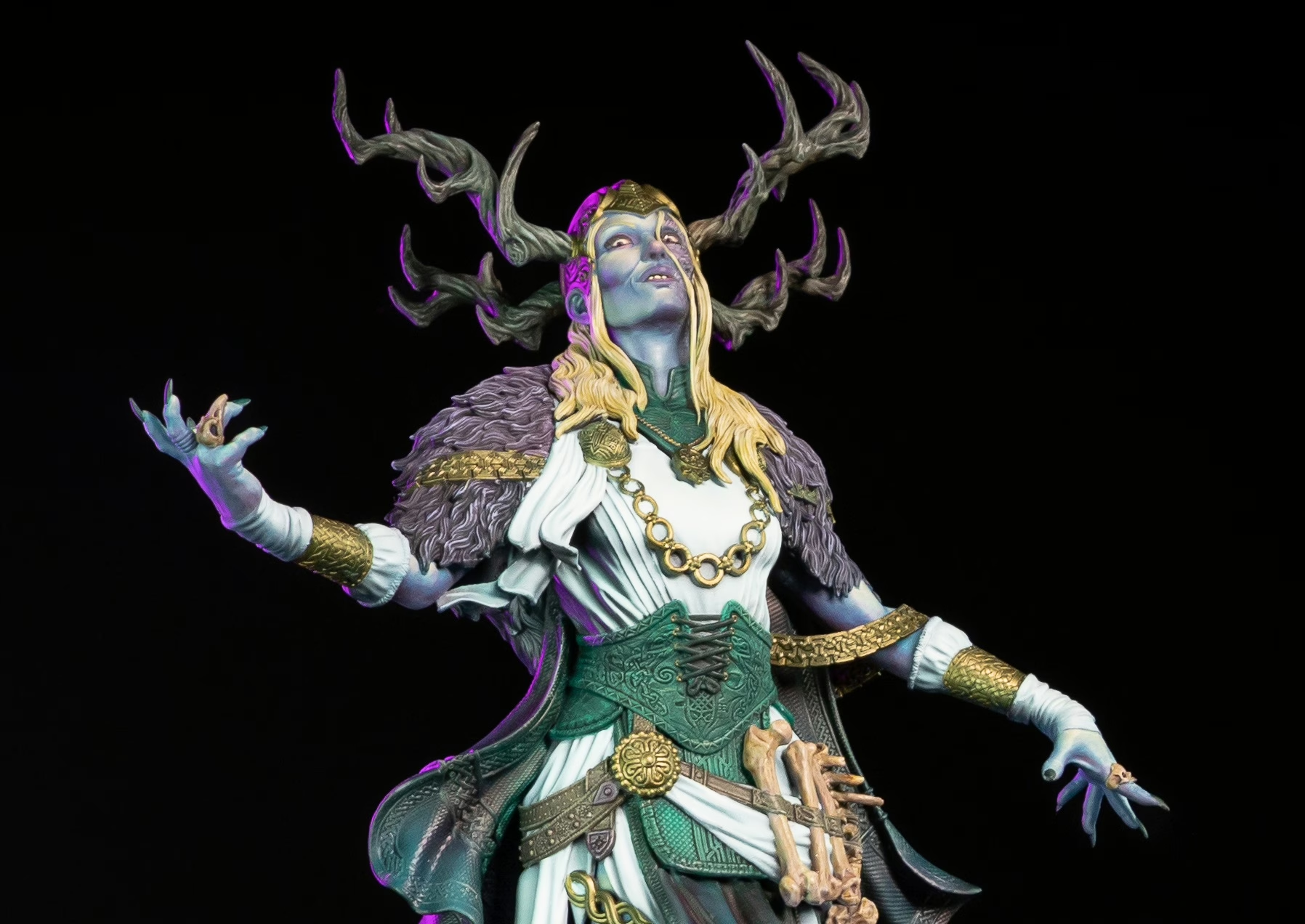
It is the perfect technique for large surfaces where you want a smooth transition, like the flowing cape of a wizard or the organic skin of a Tarrasque.
The Secret Weapon: Drying Retarder
This is the step most tutorials miss. Acrylic paint is chemically designed to dry fast. In wet blending, that is your enemy.
To master this technique without stress, you need a Drying Retarder (also called Slow Dry Medium or Retarder Medium).
How it works: Mixing a tiny drop of this into your paint extends the drying time from seconds to minutes.
Why you need it: This buys you the time you need to push the pigment around on the model and smooth out the transition before it locks in place.
Your Toolkit:
- Two Brushes: One to apply the paint, and a second clean, damp brush for blending.
- Retarder Medium: Ideally from a brand like Vallejo or Citadel.
- A Wet Palette: Essential for keeping your paint workable.
Step-by-Step: The “Two-Brush” Method
The easiest way to learn is on a large surface, like a cloak. Let’s blend a dark blue shadow into a light blue highlight.
Step 1: Prep Your Palette
Mix your Shadow Color (Dark Blue) and your Highlight Color (Light Blue) on your wet palette. Add a tiny drop of Retarder Medium to both piles.
Step 2: Apply The Shadow
Paint the bottom half of the cloak with your Shadow color. Be generous—you want the paint wet, not thin. Do not let it dry!
Step 3: Apply The Highlight
Immediately paint the top half with your Highlight color. Paint right up to the Shadow color, leaving a tiny gap (about 1mm) between the two wet paints.
Step 4: The Merger
This is the magic moment. Rapidly wash your brush (or grab your clean, damp second brush). Gently touch the bristles to the gap where the colors meet.
Pull the Shadow color slightly up into the Highlight. Pull the Highlight color slightly down into the Shadow. Use a zig-zag motion to “feather” the line where they meet until it disappears.
Step 5: Stop! (The Mud Trap)
Once the gradient looks smooth, stop touching it.
The biggest mistake beginners make is “overworking” the blend. If you keep mixing for too long, the two colors will combine into a single, muddy grey color, ruining the gradient. If it looks good, put the brush down and let it dry.
Final Thoughts
Wet blending is messy at first. You will make mud. That is part of the process.
But once you master the timing—and remember to use your Retarder Medium—you will be able to paint stunning, smooth gradients on your miniatures in minutes, not hours.
Pro-Tip: Start with two colors that are close to each other (like Dark Blue and Light Blue) before trying difficult jumps (like Red to Green). Grab a spare mini, keep your brushes wet, and get blending! Mastering wet blending can become an attainable and rewarding goal for mastering miniature painting.
Loot Studios can help you tell your story through highly detailed miniatures. Choose your favorite bundle from our previous releases or sign up for Fantasy or Sci-Fi to receive at least one new bundle every month. You can also check out some tips on our YouTube Channel.